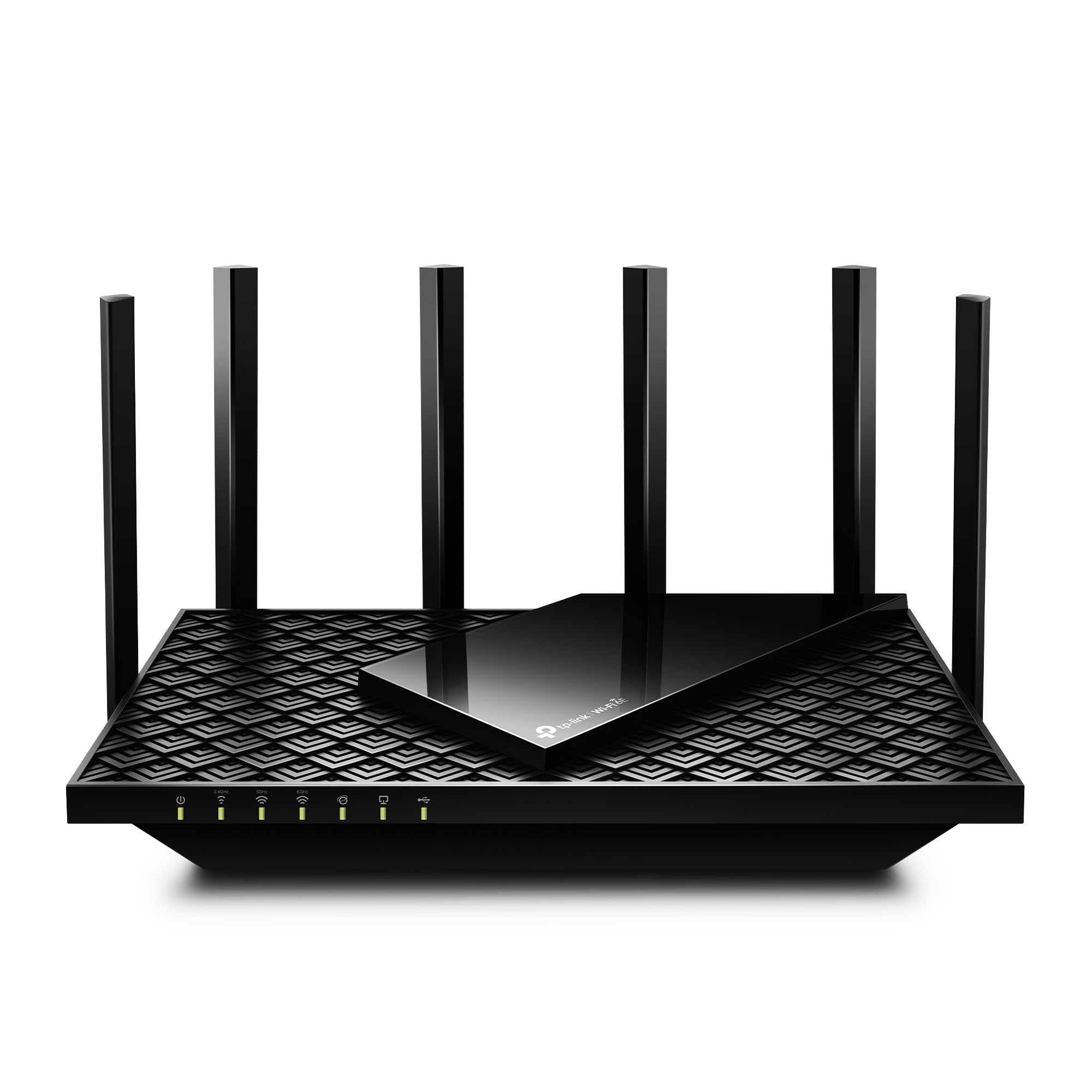
The TP-Link Archer AXE75 brings Wi-Fi 6E’s 6 GHz band to a tri-band home router, with up to 5,400 Mbps of combined Wi-Fi speed and support for VPN server and client functions.
This tp link axe5400 review looks at who benefits from those features and where the router’s design may be more than a household needs.
Archer AXE75 Review Summary
The quick verdict
5,000+ ratings
Read Amazon ReviewsTP-Link Archer AXE75
A fit for homes that want a dedicated 6 GHz band, tri-band capacity, and VPN options, provided their devices and internet plan can make use of them.
- Tri-band Wi-Fi 6E with a stated combined maximum of up to 5,400 Mbps: 2,402 Mbps on 6 GHz, 2,402 Mbps on 5 GHz, and 574 Mbps on 2.4 GHz.
- A 6 GHz band and support for 160 MHz channels, designed to provide more bandwidth for compatible devices.
- OFDMA and tri-band operation intended to support simultaneous transmission to more devices.
- A 1.0 GHz dual-core CPU and 512 MB of high-speed memory.

Pros
- The 6 GHz band adds a Wi-Fi 6E option for newer compatible devices.
- Three bands can give a busy household more flexibility in how devices connect.
Consider before buying
- The 6 GHz benefit depends on having compatible devices; older clients cannot use that band.
- The combined speed maximum does not describe the speed one device will receive or guarantee a particular internet performance.
Read the full review summary
The Archer AXE75’s strongest case is its three-band design: 2.4 GHz, 5 GHz, and 6 GHz each have their own stated maximum link rates, with the 6 GHz band offering another lane for compatible devices.
OFDMA is intended to help the router serve more devices at once, while a dual-core 1.0 GHz CPU and 512 MB of memory provide the hardware foundation for handling a busy home network.
It is best suited to a household with Wi-Fi 6E devices, simultaneous streaming or gaming, and a reason to use VPN features or add a compatible OneMesh extender.
The 5,400 Mbps figure is a combined theoretical maximum across bands, not a single-device internet speed; the modem, service plan, client device, placement, and home layout all shape the experience.
Buyers without 6 GHz-capable devices may get less immediate value from the headline feature.
The buying factors
Archer AXE75 Scorecard
Editorial scores reflect listed features and buyer fit; they are not laboratory measurements or customer ratings.
Tri-band flexibility
Three bands, including 6 GHz, give compatible devices another connection option and can help distribute activity.
Wi-Fi 6E readiness
A dedicated 6 GHz band and 160 MHz channel support make it relevant for Wi-Fi 6E clients.
Multi-device design
OFDMA and tri-band operation are intended to increase capacity for simultaneous transmissions.
Wired speed options
The product title identifies a 2.5 Gbps WAN port, but the available details do not establish a broader multi-gig wired setup.
Network management features
VPN server and client options, OneMesh support, and HomeShield basics provide useful configuration choices.
Value for compatible homes
Its feature mix is compelling if a household can use 6 GHz; households without compatible clients may not benefit as much.
Key Features and Specifications of Archer AXE75
- Tri-band Wi-Fi 6E with a stated combined maximum of up to 5,400 Mbps: 2,402 Mbps on 6 GHz, 2,402 Mbps on 5 GHz, and 574 Mbps on 2.4 GHz.
- A 6 GHz band and support for 160 MHz channels, designed to provide more bandwidth for compatible devices.
- OFDMA and tri-band operation intended to support simultaneous transmission to more devices.
- A 1.0 GHz dual-core CPU and 512 MB of high-speed memory.
- VPN server and client support for OpenVPN, PPTP, and L2TP.
- OneMesh support when paired with a TP-Link OneMesh extender, plus HomeShield basics including a security scan, IoT device identification, basic parental controls, QoS, and periodic reports.
- A 2.5 Gbps WAN port; a modem is required for most internet service providers.
Pros and Cons of Archer AXE75
Pros
- The 6 GHz band adds a Wi-Fi 6E option for newer compatible devices.
- Three bands can give a busy household more flexibility in how devices connect.
- VPN client and server functions are included for network setups that need them.
- OneMesh support offers an expansion path using a compatible extender.
Consider before buying
- The 6 GHz benefit depends on having compatible devices; older clients cannot use that band.
- The combined speed maximum does not describe the speed one device will receive or guarantee a particular internet performance.
- Most internet providers require a separate modem, so replacing a modem-router setup may involve keeping or adding that equipment.
Who Should Buy Archer AXE75?
Good fit
Consider the Archer AXE75 if your household has Wi-Fi 6E phones, computers, or other clients and you want to make use of a separate 6 GHz band.
The three-band layout and OFDMA are also relevant when several devices are active at once, though they do not eliminate the effects of distance, walls, or the limits of your internet plan.
It is also worth considering if VPN server or client support is part of your network plan, or if you may extend coverage later with a TP-Link OneMesh extender.
Before buying, check that your modem and service arrangement are compatible and that the router’s port setup matches your wired-device needs.
Who should skip it
Skip it if you need a router whose main advantage is immediately useful to a household with only older Wi-Fi clients.
Those devices will not use the 6 GHz band, so compare the features you can use now against the cost of stepping up to Wi-Fi 6E.
Look elsewhere if your setup depends on specific wired-port counts or capabilities that are not confirmed in the product details. Verify the connection layout against your modem, switch, and wired devices before choosing.
What the Archer AXE75’s Wi-Fi 6E design means
A separate band for compatible clients
The AXE75’s 6 GHz band is its defining distinction. It offers a stated maximum of 2,402 Mbps and supports 160 MHz channels, but the benefit applies to devices capable of connecting over Wi-Fi 6E.
The other 5 GHz and 2.4 GHz bands remain part of the setup for devices using those frequencies.
Read the combined speed in context
The up-to-5,400-Mbps figure adds together the maximum rates across all three bands. It is useful as a description of the router’s overall wireless class, but it is not a promise that one client will reach that speed.
Actual throughput depends on the connected device and network conditions, and an internet connection can also be the limiting factor.
Capacity is about sharing airtime
TP-Link pairs the tri-band design with OFDMA and describes the combination as increasing capacity for simultaneous transmissions.
That makes the feature set relevant for households with many active clients, but the supplied details do not establish a guaranteed device count or performance level.
Consider the number and type of devices that are active together in your home.
Expansion and network controls
OneMesh provides an option to create a mesh network with a compatible TP-Link extender. HomeShield’s listed basic features include a security scan, IoT device identification, parental controls, quality of service, and periodic reports.
VPN server and client functions add another configuration option for households that want VPN access at the router level.
Alternatives to Archer AXE75
Computer Routers alternative
1,000+ ratings
Read Amazon ReviewsTP-Link Archer BE230
Choose the AXE75 if access to 6 GHz is a priority.
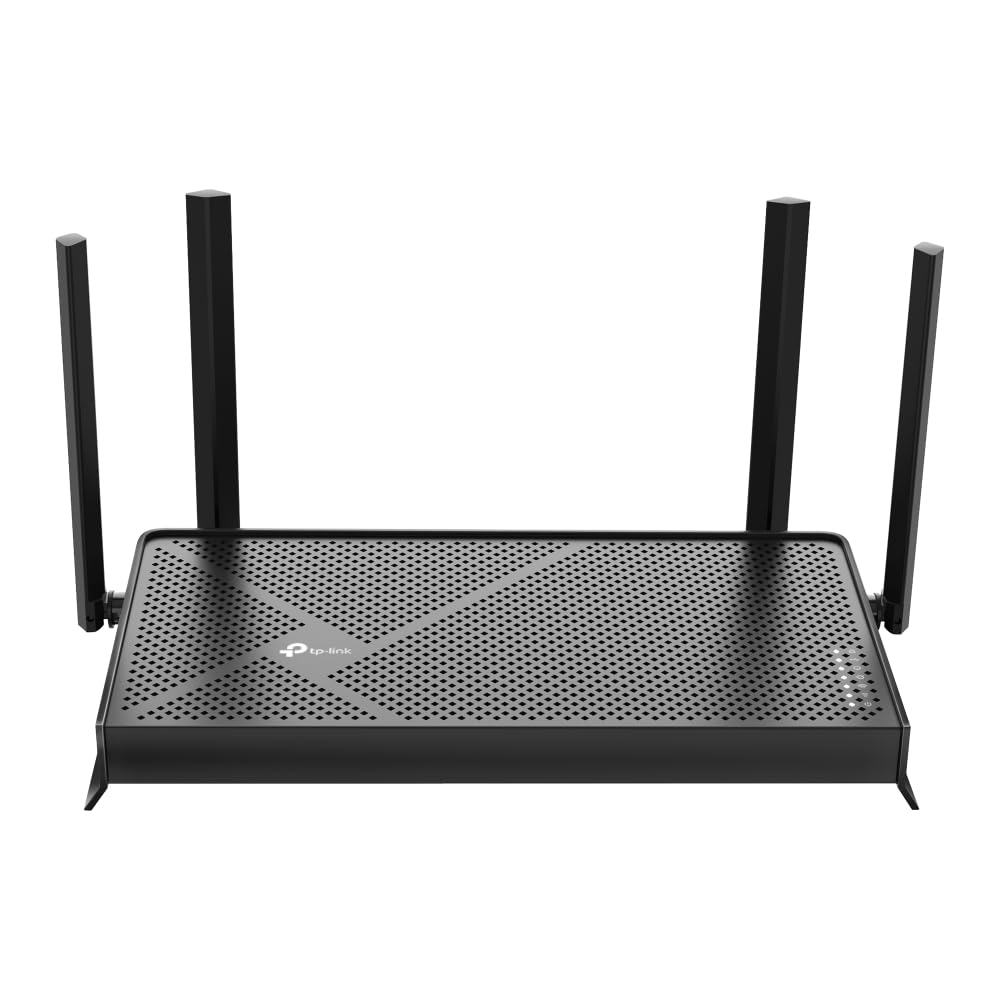
Consider the BE230 if you prefer a dual-band Wi-Fi 7 design with a more explicitly detailed multi-gig wired layout and USB port, and do not need 6 GHz.
- The Archer BE230 is a dual-band Wi-Fi 7 router with up to 2,882 Mbps on 5 GHz and 688 Mbps on 2.4 GHz.
- It has two 2.5 Gbps ports, three 1 Gbps LAN ports, a USB 3.0 port, and EasyMesh support; it does not support 6 GHz.
- The Archer AXE75 is a tri-band Wi-Fi 6E router with a 6 GHz band and a 2.5 Gbps WAN port.
Computer Routers alternative
600+ ratings
Read Amazon ReviewsTP-Link Archer BE600
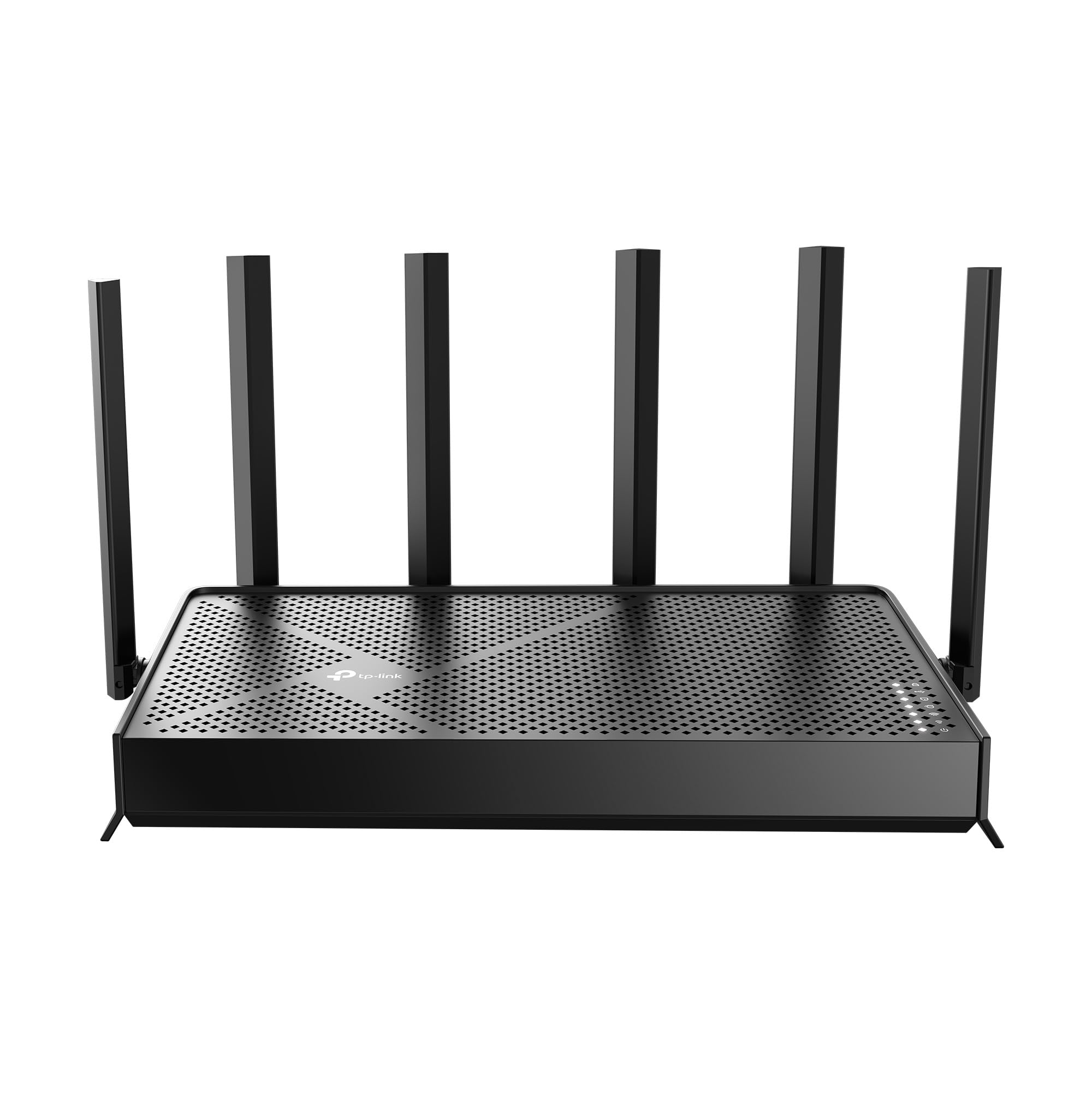
The BE600 is the more suitable direction if your priority is Wi-Fi 7 and several multi-gig wired connections.
The AXE75 is the simpler fit if Wi-Fi 6E meets your needs and you do not need the BE600’s specified port configuration.
- The Archer BE600 is a tri-band Wi-Fi 7 router with a 10 Gbps WAN/LAN port, a 2.5 Gbps WAN/LAN port, and three 2.5 Gbps LAN ports.
- Its stated band maxima are 5,765 Mbps on 6 GHz, 2,882 Mbps on 5 GHz, and 1,032 Mbps on 2.4 GHz.
- The Archer AXE75 offers Wi-Fi 6E across three bands, with stated maxima of 2,402 Mbps on both 6 GHz and 5 GHz.
Is Archer AXE75 Worth It?
The TP-Link Archer AXE75 is worth considering for a home ready to use Wi-Fi 6E, especially if a dedicated 6 GHz band, tri-band operation, VPN options, and a compatible extender path suit the way you manage your network.
Its strongest benefit depends on compatible client devices, and the combined maximum should not be mistaken for a guaranteed single-device speed.
Check your modem arrangement, wired-port requirements, and device compatibility before buying. If those line up, the AXE75 offers a useful feature set for a modern multi-device home; if 6 GHz would go unused, its defining advantage matters less.
Your review at a glance
5,000+ ratings
Read Amazon ReviewsTP-Link Archer AXE75
A fit for homes that want a dedicated 6 GHz band, tri-band capacity, and VPN options, provided their devices and internet plan can make use of them.
- Tri-band Wi-Fi 6E with a stated combined maximum of up to 5,400 Mbps: 2,402 Mbps on 6 GHz, 2,402 Mbps on 5 GHz, and 574 Mbps on 2.4 GHz.
- A 6 GHz band and support for 160 MHz channels, designed to provide more bandwidth for compatible devices.
- OFDMA and tri-band operation intended to support simultaneous transmission to more devices.
- A 1.0 GHz dual-core CPU and 512 MB of high-speed memory.